Empowering Survivors: Holistic Strategies for Cancer Awareness and Support
In the face of a cancer diagnosis, the journey ahead can feel daunting. Yet, every day, we witness remarkable stories of resilience and bravery among cancer survivors. These heroes don't just overcome cancer; they redefine what it means to live well. How do these individuals rise from the depths of uncertainty to embrace a vibrant life? The answer often lies in a holistic health approach that nurtures their body, mind, and spirit. As we delve into the transformative role of holistic health in supporting cancer survivors, we uncover not just strategies but a powerful mindset that turns challenges into triumphs.
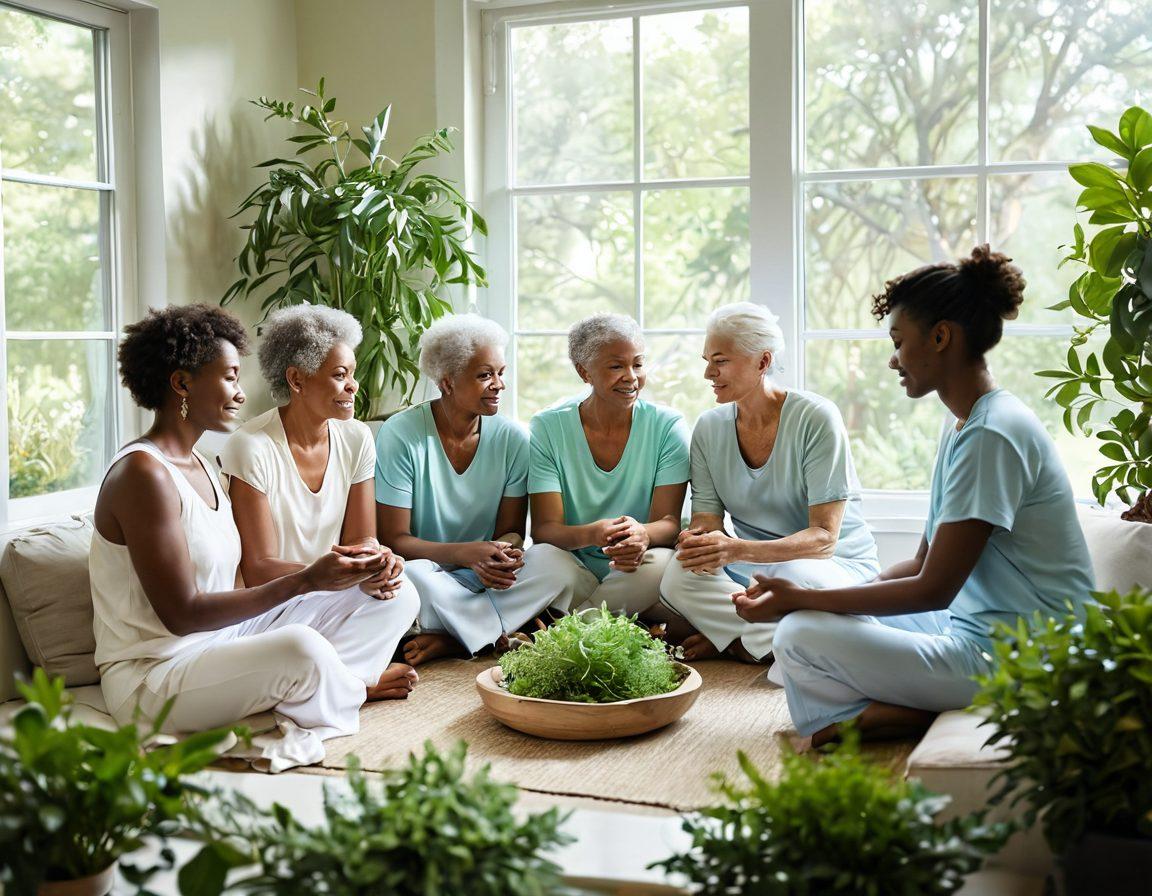
Holistic health embraces a comprehensive view of wellness that goes beyond conventional oncology. It incorporates lifestyle changes, alternative therapies, and community support to create a robust framework for recovery and thriving post-treatment. Imagine being part of a cancer survivor support group where shared survivor stories become a source of strength and healing. Such interactions not only empower individuals but also cultivate a sense of belonging—a vital aspect of psychosocial support. In what ways can we foster these connections within our own communities to uplift each other on this journey?
In today’s healthcare landscape, patient support has evolved significantly. It's not merely about managing symptoms or adhering to treatment options; holistic health emphasizes preventive care and health education. Integrating practices such as mindfulness, nutrition, and physical activity can enhance the quality of life for cancer survivors. For instance, nourishing the body with wholesome foods and engaging in regular exercise helps combat fatigue and boosts immunity, making it easier to navigate the roller coaster that treatment can entail. Have you considered how small lifestyle adjustments might build a more resilient foundation for health?
One of the most critical aspects of holistic health is the importance of individualized care that respects patients' rights and preferences. After all, every survivor’s story is unique. This is where healthcare providers must step back and focus on personalized therapy options that resonate with each individual. Clinical research continually highlights how integrative approaches—combining traditional treatments with complementary therapies—can yield better health outcomes. The question then arises: how can we as advocates pave the way for adopting such standards within our healthcare systems for more effective cancer prevention?
Ultimately, empowering cancer survivors means recognizing that healing is a multifaceted journey. It's about providing tools for symptom management, ensuring access to comprehensive health resources, and nurturing a community that stands together in support. Whether through organized survivor programs, family involvement, or online lifestyle blogs that promote cancer awareness, each effort counts. As we wind down this exploration of holistic approaches, let’s challenge ourselves: what actions can we take today to support not only ourselves but also those in our lives who are bravely navigating their own cancer journeys?
Building Communities: How Collaborative Care Enhances Cancer Awareness
In a world where cancer diagnosis can often feel isolating and overwhelming, the power of community emerges as a vital ally for survivors. Collaborative care in oncology is more than just a buzzword; it represents the heart and soul of effective cancer awareness and patient support. Imagine walking into a room filled with compassion, knowledge, and shared experiences—a place where survivor stories flourish, and individuals come together to embrace holistic health strategies. This community-driven approach not only enhances healthcare access but also empowers those on the cancer journey, nurturing a sense of belonging amidst the hardships.
At the core of collaborative care is the understanding that cancer is not merely a disease but a complex challenge that demands a multifaceted response. By pooling resources, knowledge, and experiences from both healthcare providers and patients, we create an environment ripe for health education, symptom management, and psychosocial support. Have you ever considered how much easier it can be to navigate treatment options when you have a supportive community by your side? Sharing insights on preventive care and nourishment, members can provide invaluable medical advice that complements clinical research findings, ultimately leading to a more holistic approach to wellness.
Not only does community support facilitate the sharing of effective therapy options, but it also encourages the exploration of various lifestyle changes that help survivors reclaim their health. From mindfulness practices to diet modifications, a lifestyle blog featuring real survivor stories can serve as a beacon of hope and inspiration. How many times have you heard someone say that a simple change made all the difference in their journey? These narratives are powerful, reminding us that survivorship is not just about overcoming cancer but also about thriving in life beyond the diagnosis.
Furthermore, collaborative care encourages patient rights to be at the forefront of discussions surrounding treatment and recovery. When patients feel empowered to voice their needs, perspectives, and preferences, they contribute to a holistic health environment that fosters trust and respect. Engaging in community forums and support groups can enlighten individuals on navigating their journey effectively while advocating for their rights. What if the key to unlocking effective cancer prevention lies in empowering survivors to lead the conversation around their care?
In conclusion, the synergy created through collaborative care and community support is irreplaceable in the fight against cancer. By leveraging survivor stories, incorporating health education, and prioritizing psychosocial support, we pave a brighter path for current and future patients. Together, we can build bridges between oncology and everyday life, ensuring that no one walks alone in the journey of cancer awareness. Ultimately, let’s remember that every voice matters and that our collective strength transforms not just treatment outcomes, but lives.
Empowerment Through Knowledge: Navigating Treatment Options and Patient Rights
In the journey of battling cancer, knowledge becomes one of the strongest allies a patient can have. Understanding the depth and breadth of treatment options available, alongside recognizing patients' rights, not only supports informed decision-making but equally fuels empowerment. Imagine standing at a crossroads, with a myriad of paths laid out before you. Each path symbolizes a different treatment and potential recovery journey. Which one will you choose? This article aims to light the way through the often overwhelming labyrinth of oncology, leaving you equipped with vital insights that advocate not just for survival but thriving post-diagnosis.
Navigating treatment options is like piecing together a puzzle. Every survivor story is unique; the myriad of therapies—ranging from traditional chemotherapy to innovative clinical research trials—offers a complex tapestry of possibilities. Not every path is suitable for every individual, which is why patient support and healthcare professionals play a crucial role in this process. It's essential to engage actively with your healthcare team, asking questions and expressing concerns. “Your care should be a collaboration, not a dictatorship,” is wise advice from many cancer survivors who have fought valiantly and navigated the treacherous waters of treatment options.
Each choice comes with its own set of considerations—side effects, efficacy, lifestyle adjustments, and, importantly, financial implications. You might wonder, 'What impact will this treatment have on my day-to-day life?' The importance of holistic health cannot be understated here. As you explore your options, consider how each treatment may fit into your lifestyle and overall well-being. This is where supportive therapies can complement traditional methods; therapies such as acupuncture or nutritional counseling can enhance your journey towards nourishment and recovery. Having vital knowledge about each option boosts confidence to make choices aligned with your unique needs.
Moreover, awareness of patients' rights is paramount during treatment. It's crucial to understand what constitutes proper care and the various resources available for patient support. Are you aware that there are laws and advocacy groups ensuring everyone receives fair and just treatment in healthcare environments? Knowing that you are entitled to quality care empowers you to speak out or seek help when something feels amiss. Embracing cancer awareness, especially around preventive care and symptom management, can create a proactive stance in your treatment journey. Ignorance can be a heavy burden, while understanding and advocacy can lighten the load immensely.
As you embark on this path of empowerment, consider joining a community support network. Connecting with others who have traveled a similar road can provide invaluable psychosocial support, breaking isolation and offering friendship when it may feel scarce. Create a personal support system around you, where sharing stories and experiences can build resilience. After all, cancer is not just a medical condition; it’s a lifestyle that impacts everyone around you. Remember, you hold a wealth of power in your hands with the right information, the right question, and a robust support system. So, are you ready to embrace your empowerment and take charge of your health journey?